
Our New Haven and Guilford locations offer OptiLight® intense pulsed light (IPL) therapy for dry eye associated with meibomian gland dysfunction (MGD), as well as OptiLift™ eyelid muscle-conditioning technology.

Dry Eye Treatment in New Haven & Guilford, Connecticut
QUICK LINKS
No locations match that search.
Kennedy & Perkins Guild Opticians - North Haven
Kennedy & Perkins Guild Opticians - North Haven
Kennedy & Perkins Opticians - Branford
Kennedy & Perkins Opticians - Branford
Kennedy & Perkins Opticians - Old Saybrook
Kennedy & Perkins Opticians - Old Saybrook
Kennedy & Perkins Opticians - Guilford
Kennedy & Perkins Opticians - Guilford
Kennedy & Perkins Opticians - Milford
Kennedy & Perkins Opticians - Milford
Kennedy & Perkins Opticians - New Haven
Kennedy & Perkins Opticians - New Haven
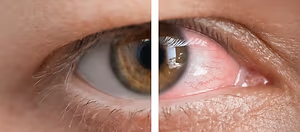
Burning, Watery Eyes & Blurry Vision May Be Signs of Dry Eye
Dry eye does not always feel like dryness. Your eyes may burn, sting, water excessively, or become irritated during activities that require prolonged visual attention.
Common dry eye symptoms include:
- Burning, stinging, or irritated eyes
- A gritty sensation, as though something is in your eye
- Redness or discomfort
- Excessive watering
- Blurry or fluctuating vision
- Sensitivity to light
- Discomfort when wearing contact lenses
- Eye fatigue during reading or screen use
These symptoms can have several causes. An eye examination can help determine whether dry eye disease or another eye health concern may be contributing.
Dry Eye Develops When Your Tears Cannot Adequately Lubricate Your Eyes
Healthy tears help keep the surface of your eyes comfortable and protected. Dry eye disease can develop when your eyes do not produce enough tears or when tears evaporate too quickly.
One common cause is meibomian gland dysfunction (MGD). These small glands along your eyelids produce oils that help prevent tears from evaporating.
When the glands become blocked or do not function properly, the tear film can become unstable. This may contribute to irritation, fluctuating vision, and other dry eye symptoms.
Identifying the contributing factors is important because different causes may require different approaches to care.
OptiLight® IPL Targets Inflammation Associated With Evaporative Dry Eye
OptiLight® uses intense pulsed light (IPL) to treat inflammation linked to meibomian gland dysfunction, a common contributor to evaporative dry eye.
The treatment delivers controlled light pulses to the skin around the eyes. The treatment aims to improve signs of dry eye linked to MGD in eligible adults and may be combined with other dry eye management methods.
OptiLight® Addresses a Common Contributor to Dry Eye Symptoms
Meibomian gland dysfunction can disrupt the oily layer of your tears, causing moisture to evaporate too quickly.
OptiLight® targets inflammatory factors associated with this condition rather than simply adding temporary moisture to the eye's surface.
Treatment suitability depends on your symptoms, medical history, skin characteristics, and other clinical factors.
OptiLift™ Uses Muscle Stimulation to Support Eyelid Function
Blinking helps distribute tears across the surface of your eyes. The muscles around your eyelids play a role in this process.
OptiLift™ uses Dynamic Muscle Stimulation™ (DMSt), delivering controlled electrical pulses to activate muscles around the eyes. The technology is designed for muscle conditioning and improving muscle tone, including concerns related to lower eyelid laxity.
OptiLift™ is not an FDA-authorized treatment for dry eye disease. Its muscle-conditioning purpose is distinct from OptiLight®'s role in treating signs of MGD-associated dry eye.
Our team can provide information about OptiLift™ availability at our New Haven and Guilford locations.
Your Dry Eye Symptoms Help Determine Which Care Options May Be Appropriate
Dry eye symptoms do not have one universal cause. Tear production, tear evaporation, eyelid function, and other eye health factors can all influence discomfort.
A professional assessment can help identify possible contributing factors and determine whether additional evaluation or treatment is appropriate.
OptiLight® has a specific indication for eligible adults with signs of dry eye associated with meibomian gland dysfunction. OptiLift™ is intended for muscle conditioning and should not be considered a substitute for medical dry eye treatment.
We do not assume that every dry eye patient needs either technology. The appropriate next step depends on your individual circumstances.
Not Every Type of Dry Eye Is Suitable for OptiLight®
OptiLight® is intended for eligible adults with signs of dry eye associated with meibomian gland dysfunction. Dry eye can have other causes, so an assessment is needed to determine whether IPL treatment is appropriate.
Your Medical History & Skin Type Affect IPL Eligibility
OptiLight® has specific eligibility criteria and contraindications. Certain skin characteristics, medications, and medical conditions may affect suitability. Your treating clinician should review these factors before treatment.
Dry Eye Improvement Is Not Guaranteed or Necessarily Permanent
Response to OptiLight® varies between patients. Some people may need ongoing dry eye management, and treatment does not guarantee complete or lasting symptom relief.
Confirm Treatment Costs & Appointment Details Before Visiting
Treatment fees, the number of sessions, and appointment arrangements have not been confirmed. Contact our New Haven or Guilford location to ask about availability, costs, and what to expect.
Get Answers About Your Dry Eye Symptoms
Persistent irritation, watery eyes, and fluctuating vision warrant attention, especially when they interfere with daily activities.
Dry eye treatment is provided at our New Haven and Guilford locations, where our dry eye doctors offer therapy using OptiLight® IPL along with OptiLift™ muscle-conditioning services.
If you are looking for dry eye care from Branford or Old Saybrook, you are welcome to contact our New Haven or Guilford location to ask about treatment availability and scheduling.
Yes. Dry eye can sometimes trigger reflex tearing, causing your eyes to water even when the tear film is not adequately lubricating the eye's surface.
Yes. An unstable tear film can cause vision to fluctuate, particularly during activities such as reading or screen use. Blurry vision can also have other causes, so an eye examination is important when symptoms persist.
Meibomian gland dysfunction occurs when the oil-producing glands along your eyelids do not function properly. This can cause tears to evaporate too quickly and contribute to evaporative dry eye.
OptiLight® uses intense pulsed light to treat signs of dry eye associated with meibomian gland dysfunction in eligible adults.
OptiLift™ uses electrical muscle stimulation for muscle conditioning around the eyes. It is not indicated as a medical treatment for dry eye disease.
No. OptiLight® has specific treatment indications and contraindications. Suitability depends on factors including the cause of your dry eye, your medical history, and your skin characteristics.
OptiLight® is intended to improve signs of dry eye associated with meibomian gland dysfunction. It is not a guaranteed permanent cure, and individual responses vary.
Our New Haven and Guilford locations offer OptiLight® and OptiLift™. Patients from Branford or Old Saybrook can contact either treatment location to confirm availability and scheduling. OptiLift™ is a muscle-conditioning service, not a medical treatment for dry eye disease.
Dry eye can make contact lenses uncomfortable for some people. The appropriate approach depends on your symptoms, eye health, and contact lens needs.
Our eye doctors offer contact lens fittings and comprehensive eye examinations. Learn About Contact Lens Services